

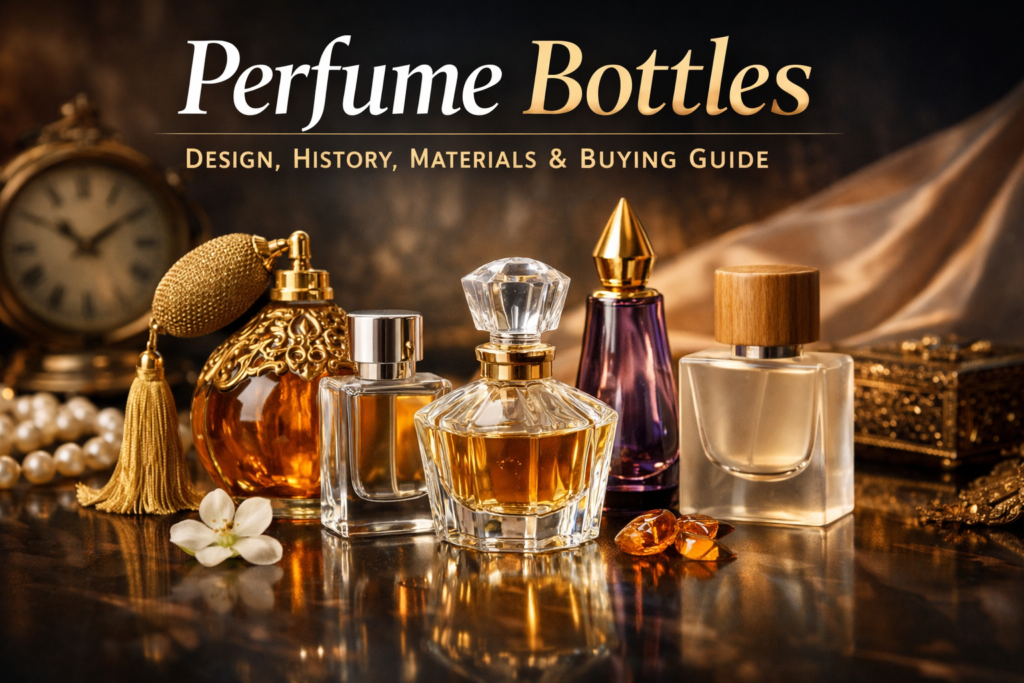
Perfume Bottles
Fragrance is more than just a scent. It is an experience that connects memories, emotions, and personality. While people often focus on the aroma of a perfume, the container that holds the fragrance plays an equally important role. Perfume bottles are not simply containers; they represent artistry, luxury, and brand identity. A beautifully designed bottle can transform a fragrance into a memorable object that people want to display and keep.
Throughout history, the design of fragrance containers has evolved alongside culture and fashion. From ancient clay containers to modern glass masterpieces, the journey of these elegant containers reflects the creativity of designers and the desire to preserve precious scents. Today, perfume packaging is an essential part of the fragrance industry, influencing how consumers perceive a scent even before they try it.
The beauty of fragrance packaging lies in its ability to combine practicality with aesthetics. A well-designed container protects the fragrance from light and air while also serving as a decorative object. Many collectors appreciate unique designs because they reflect the personality of the brand and the story behind the fragrance.
Understanding how these containers are designed, manufactured, and used can help fragrance lovers appreciate them even more. This guide explores the history, materials, styles, and importance of Perfume bottles in the modern fragrance world.
The History of Perfume Containers
The story of fragrance containers dates back thousands of years. Ancient civilizations such as the Egyptians were among the first to store aromatic oils in specially crafted containers. These early containers were made from materials like alabaster, clay, and stone.
The ancient Egyptians believed fragrance was closely connected to spirituality and luxury. Because of this belief, containers used for aromatic oils were often beautifully decorated and reserved for royalty or religious ceremonies.
As trade expanded, fragrance culture spread to other regions including Greece and Rome. These civilizations began creating more refined containers made of glass and ceramic. Glass became especially popular because it allowed people to see the precious liquid inside.
During the Renaissance period in Europe, perfume containers became symbols of wealth and sophistication. Royal families and aristocrats commissioned artists to create elaborate designs decorated with jewels, gold, and intricate carvings.
Over time, technological advancements made glass production more efficient. This allowed perfume companies to experiment with creative shapes and artistic details. Today, Perfume bottles range from minimalist designs to elaborate collector pieces that resemble sculptures.
Why Bottle Design Matters in the Fragrance Industry
The design of a fragrance container is often the first thing people notice when they encounter a perfume. Before someone even smells the fragrance, the visual appearance creates an impression about the scent.
Luxury brands invest significant time and resources into packaging design because it reflects the identity of the fragrance. A sleek modern container may suggest a fresh and contemporary scent, while an ornate design may hint at something rich and classic.
The packaging also communicates the personality of the brand. For example, brands such as Chanel and Dior have iconic designs that are instantly recognizable.
Beyond aesthetics, functionality is also important. Containers must protect the fragrance from sunlight, temperature changes, and oxidation. Good design ensures that the scent remains stable and retains its original quality for a long time.
Because of these factors, Perfume bottles are considered an essential part of the overall fragrance experience rather than just a storage solution.
Materials Used in Perfume Bottle Manufacturing
Different materials can be used to create fragrance containers, each offering unique benefits in terms of durability and appearance.
Glass Bottles
Glass is the most commonly used material in the fragrance industry. It is non-reactive, meaning it does not alter the chemical composition of the perfume. Glass also provides a luxurious appearance that enhances the overall presentation.
Many modern fragrances use high-quality glass containers because they can be shaped into various artistic forms.
Crystal Bottles
Crystal containers represent the highest level of luxury. These containers are often handcrafted and decorated with intricate details. Crystal designs are commonly associated with limited edition perfumes and collector items.
Although they are beautiful, crystal containers are usually more expensive and delicate than standard glass ones.
Metal and Decorative Elements
Some fragrance containers include metal accents such as gold or silver caps. These details add elegance and strengthen the visual appeal of the packaging.
In certain luxury editions, metals are used to create decorative coverings or engravings around the container.
Plastic Components
While the main container is typically glass, some parts such as the spray mechanism may include plastic components. These materials help maintain functionality and affordability without affecting the fragrance quality.
Because of their versatility, Perfume bottles can combine multiple materials to create designs that are both attractive and practical.
Popular Types of Perfume Bottles
There are many styles of fragrance containers available today. Each style serves a specific purpose depending on the fragrance type and brand identity.
Some designs focus on portability, while others emphasize artistic presentation. Below are a few common types found in the fragrance market.
• Classic spray containers designed for everyday use and convenient application.
• Vintage style containers inspired by traditional perfume packaging.
• Refillable containers that allow users to reuse the bottle and reduce waste.
• Decorative collector containers designed for luxury or limited edition fragrances.
• Travel containers created in smaller sizes for easy portability.
Each type reflects different consumer needs, from practicality to luxury. Because of this variety, Perfume bottles have become both functional objects and artistic collectibles.
The Art of Perfume Bottle Design
Creating a fragrance container is a complex process that combines creativity, engineering, and branding. Designers work closely with perfumers and marketing teams to ensure that the container reflects the story of the fragrance.
The process usually begins with conceptual sketches. Designers imagine shapes, textures, and colors that represent the scent’s character. A fresh floral fragrance may inspire a soft and delicate design, while a bold oriental scent may lead to darker and more dramatic shapes.
After the concept stage, prototypes are developed to test the practicality of the design. Engineers ensure that the container can hold the fragrance safely and function properly with the spray mechanism.
Many famous perfume containers have become iconic works of design. For example, the simple rectangular bottle of Chanel No. 5 is considered one of the most recognizable fragrance containers in the world.
Because of this artistic approach, Perfume bottles often blur the line between packaging and decorative art.
How Bottle Design Influences Consumer Choices
When shoppers browse fragrance stores, they often notice the packaging before experiencing the scent. Attractive designs can capture attention and encourage people to explore a fragrance further.
Research in consumer psychology suggests that visual presentation influences purchasing decisions. If a container appears luxurious and elegant, people may assume the fragrance inside is high quality.
The shape, color, and material all contribute to this perception. Dark colored containers may suggest mysterious or intense scents, while transparent containers often represent freshness and simplicity.
Because of this psychological effect, Perfume bottles are powerful marketing tools in the fragrance industry.
Tips for Choosing the Right Perfume Bottle
When purchasing a fragrance, the container itself can provide clues about the quality and practicality of the product. Although the scent should always be the main focus, packaging still matters.
There are several factors to consider when evaluating fragrance containers.
• Choose containers made from thick glass because they protect the fragrance from external elements.
• Look for tightly sealed spray mechanisms to prevent evaporation.
• Consider refillable options if sustainability is important to you.
• Store fragrances in containers that block excessive sunlight to maintain scent quality.
These considerations ensure that Perfume bottles preserve the fragrance effectively while remaining convenient for everyday use.
Perfume Bottles as Collectible Items
Some fragrance enthusiasts collect containers just as art collectors gather sculptures or paintings. Limited edition designs often become valuable over time because of their rarity and craftsmanship.
Luxury brands sometimes collaborate with artists and designers to create unique containers that celebrate special occasions or anniversaries. These limited releases can become highly sought after among collectors.
Vintage fragrance containers from earlier decades are also popular. Many antique collectors appreciate the intricate craftsmanship and historical significance of these designs.
Because of their artistic value and historical importance, Perfume bottles have become treasured objects that go far beyond their practical purpose.
Caring for Your Perfume Bottles
Proper storage and care can extend the life of both the fragrance and the container. Exposure to extreme temperatures or direct sunlight can damage the perfume and cause it to deteriorate.
Storing fragrances in a cool and dry place helps maintain their quality. Many people prefer to keep them inside drawers or cabinets rather than on open shelves exposed to light.
Cleaning empty containers can also help preserve them as decorative items or collectibles. Gentle cleaning with warm water and mild soap can remove residue without damaging delicate surfaces.
With proper care, Perfume bottles can remain beautiful and functional for many years.
Frequently Asked Questions
Why are perfume bottles usually made of glass?
Glass is non-reactive and does not interfere with the chemical composition of the fragrance. It also provides an elegant appearance and protects the scent from contamination.
Can perfume bottles be reused?
Yes, many containers can be reused or refilled depending on their design. Refillable containers are becoming more popular as brands focus on sustainability.
Do bottle designs affect the fragrance quality?
The design itself does not change the scent, but proper sealing and protection from light can help preserve the fragrance for a longer time.
Why are some perfume bottles so expensive?
High-end containers may include handcrafted details, crystal materials, or limited edition designs created by artists and luxury brands.
How should perfume bottles be stored?
They should be kept in a cool, dry place away from direct sunlight and extreme temperature changes.
Final Thoughts
The world of fragrance is filled with creativity and beauty, and packaging plays a significant role in that experience. Perfume bottles represent the perfect blend of function and artistry. They protect delicate fragrances while also reflecting the personality of the scent and the identity of the brand.
From ancient handcrafted containers to modern designer creations, the evolution of fragrance packaging tells a fascinating story about culture, luxury, and design. Each container holds not only a scent but also the creativity and craftsmanship behind it.
For fragrance lovers, appreciating the beauty of these containers adds another dimension to the enjoyment of perfume. Whether used daily or displayed as collectible art, Perfume bottles continue to capture the imagination and remain an essential part of the perfume world.