

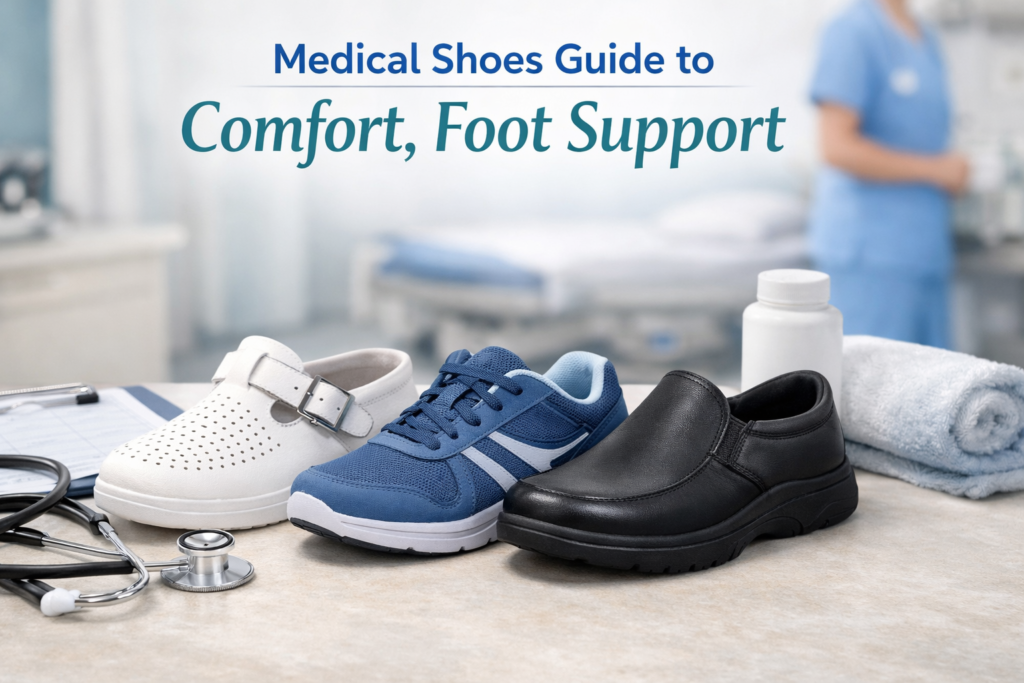
Medical Shoes
In professions that demand long hours of standing and walking, the right footwear is essential. Medical Shoes are designed specifically for healthcare professionals, offering comfort, support, and durability to withstand demanding shifts. Nurses, doctors, and other medical staff often face physically intensive work, and investing in the proper footwear can significantly impact overall health and performance.
Medical Shoes are not just functional—they also reflect the professional’s commitment to safety and hygiene. They provide excellent support for the feet, reduce fatigue, and minimize the risk of foot or back pain. With a wide range of designs available, healthcare professionals no longer have to choose between comfort and style.
This comprehensive guide delves into their importance, features, materials, benefits, and how to choose the best pair for your needs. Additionally, we will address common concerns and answer frequently asked questions to help you make an informed decision.
Importance of Shoes
Healthcare professionals spend a significant portion of their day on their feet, navigating hospitals, clinics, and patient care environments. Wearing standard shoes can lead to discomfort, fatigue, and even long-term foot or back issues. are specifically engineered to provide stability, cushioning, and support for prolonged wear.
These shoes also play a vital role in maintaining hygiene. Hospitals and clinics require footwear that is easy to clean and resistant to spills and contaminants. Many incorporate slip-resistant soles to prevent accidents, particularly in fast-paced environments where spills are common.
Proper footwear improves posture and reduces strain on joints, muscles, and ligaments. For healthcare workers who endure physically demanding tasks, investing in high-quality is essential for long-term health and well-being.
Key Features of Shoes
Medical Shoes offer a variety of features designed to meet the unique demands of healthcare environments. Comfort is a priority, with cushioned insoles, arch support, and padded collars to minimize foot fatigue during long shifts.
Durability is another key feature. These shoes are made with high-quality materials such as leather, synthetic blends, or specialized breathable fabrics to withstand frequent cleaning and daily wear. Many also include slip-resistant and shock-absorbing soles, ensuring safety and stability on wet or slippery surfaces.
Hygiene is critical, and many models are designed to resist bacteria and odors. Anti-microbial linings, water-resistant materials, and easy-to-clean surfaces help maintain a clean and safe environment. These combined features make shoes indispensable for healthcare professionals who require both comfort and protection.
Popular Styles of Shoes
Shoes come in several styles to accommodate different preferences and work requirements. Traditional clogs are widely used for their slip-on convenience and easy cleaning. Sneakers or athletic-inspired shoes provide superior cushioning and flexibility, suitable for long hours of walking.
Slip-on shoes are popular for healthcare professionals who need quick and easy footwear changes. Some models also feature adjustable straps or laces for a secure fit. Color options range from classic white to muted grays and blacks, allowing professionals to match their shoes with uniforms while maintaining a professional appearance.
Each style is carefully designed to balance functionality, support, and aesthetic appeal. Choosing the right medical shoe depends on your specific work environment, daily activity level, and personal comfort preferences.
Materials and Construction
The materials used in shoes are selected to enhance comfort, durability, and hygiene. Leather is commonly used for its durability and ease of cleaning. Synthetic materials are lightweight, flexible, and often more breathable, making them ideal for long shifts in hot environments.
Construction techniques such as reinforced stitching, cushioned insoles, and ergonomic sole designs improve overall support. Slip-resistant outsoles prevent accidents in busy hospital corridors. Many models also feature anti-fatigue technology to reduce stress on the feet, knees, and lower back, which is particularly valuable for healthcare workers standing for long periods.
Benefits of Wearing Shoes
Wearing Shoes provides numerous benefits. Comfort is the most immediate advantage, reducing foot and leg fatigue and supporting overall mobility during long shifts. Proper support and cushioning prevent conditions such as plantar fasciitis, joint pain, and lower back strain.
Durability ensures that shoes withstand daily wear and frequent cleaning without losing performance or appearance. Slip-resistant soles and ergonomic designs increase safety, preventing slips and falls in environments where fluids are common.
Additionally, shoes contribute to professional appearance. Clean, well-maintained shoes complement uniforms and project an image of competence and care. Investing in high-quality medical footwear ultimately improves both physical well-being and workplace efficiency.
How to Choose the Right Shoes
Choosing the right pair involves considering several factors. Evaluate the type of work you perform and the surfaces you frequently walk on. Healthcare professionals in surgery or emergency departments may require shoes with enhanced slip resistance, while those in administrative roles may prioritize lightweight comfort.
Fit is critical. Shoes should accommodate natural foot movement without being tight, offering ample support for arches and heels. Testing multiple sizes or referring to manufacturer sizing guides helps ensure optimal comfort.
Material choice should align with your work environment. Leather offers durability and easy cleaning, while breathable synthetics provide lightweight comfort. Proper selection guarantees that your shoes deliver the support and longevity you need.
Caring for Shoes
Proper care extends the life and performance of shoes. Cleaning should be done regularly using a damp cloth, mild soap, or specialized shoe cleaners. Leather shoes benefit from conditioning to prevent cracking and maintain flexibility.
Fabric or synthetic shoes may require gentle brushing and stain removal techniques. Protective sprays can add water and stain resistance, enhancing hygiene and durability. Storing shoes in a dry, ventilated area prevents odor and shape deformation. Consistent care ensures that shoes remain comfortable, safe, and professional-looking for years.
Common Mistakes with Shoes
Many healthcare professionals unintentionally reduce the lifespan of their shoes. Overexposure to water or harsh chemicals can damage materials. Wearing ill-fitting shoes can lead to discomfort and long-term foot problems.
Ignoring regular cleaning and maintenance may cause odor, staining, and degradation of shoe structure. Following manufacturer guidelines and practicing proper care preserves both comfort and performance.
Tips for Maximizing Comfort and Durability
Rotate between multiple pairs of shoes to reduce wear and allow shoes to recover between shifts. Regular cleaning, conditioning, and protective treatments maintain material integrity. Proper sock selection helps prevent friction and blisters.
For extended standing or walking, selecting shoes with shock-absorbing soles and ergonomic design enhances comfort. These practices help healthcare professionals maintain peak performance and reduce the risk of foot or leg injuries.
FAQs
1. Can medical shoes be worn outside of work?
Yes, many medical shoes are stylish and comfortable enough for casual use or long walks outside the hospital setting.
2. Are slip-resistant soles necessary for medical shoes?
Slip-resistant soles are highly recommended, as healthcare environments often involve wet or slippery surfaces, reducing the risk of accidents.
3. How do I clean leather medical shoes?
Wipe with a damp cloth, use mild soap or leather cleaner, and condition the leather regularly to maintain flexibility and prevent cracking.
4. Can medical shoes help reduce back pain?
Yes, shoes with proper arch support, cushioning, and ergonomic design help reduce strain on the feet, knees, and lower back.
5. How long do medical shoes typically last?
With proper care and maintenance, high-quality medical shoes can last several years even with daily use.
Conclusion
Medical Shoes are an essential investment for healthcare professionals, offering a combination of comfort, durability, and safety. Properly designed medical shoes protect the feet, reduce fatigue, and enhance overall performance during long, demanding shifts.
Selecting the right pair, considering your work environment, and maintaining your shoes through regular cleaning and care ensures they remain functional, safe, and professional-looking. With the right footwear, healthcare professionals can focus on their work confidently while preserving long-term foot and joint health.